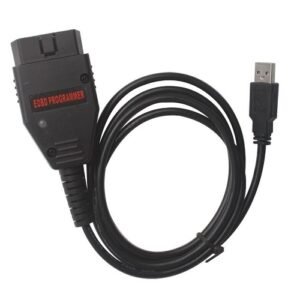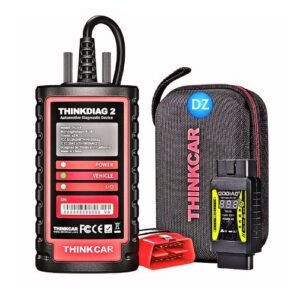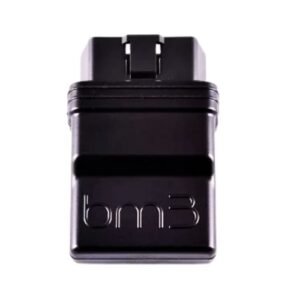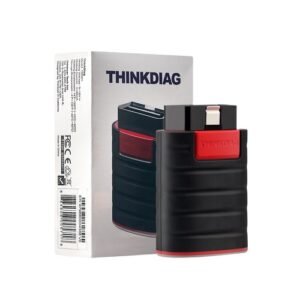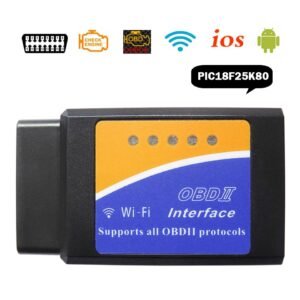

Car diagnostic tools are electronic devices that interface with a vehicle’s onboard computer system to identify and communicate issues or potential malfunctions. They work by connecting to a standardized port (the OBD-II port in modern cars) to retrieve diagnostic trouble codes (DTCs) and real-time data from various sensors and systems.
How They Work
Modern vehicles are equipped with an On-Board Diagnostics (OBD-II) system, which constantly monitors the car’s performance via numerous sensors and microprocessors. When a problem is detected (e.g., a sensor reading outside the normal range, or a misfire), the system stores a specific alphanumeric error code in its memory and often illuminates a warning light on the dashboard, such as the “Check Engine” light.
A diagnostic tool is plugged into the car’s OBD-II port (usually located under the dashboard) to retrieve these codes and display them, often along with additional data to help a mechanic or car owner pinpoint the exact problem.
Types of Car Diagnostic Tools at Jabedul Dewan Trading
Diagnostic tools vary in complexity and function.
Code Readers: These are basic, affordable, handheld devices that can only read and clear generic trouble codes. They are suitable for DIY enthusiasts who want a quick understanding of why a warning light is on.
OBD-II Scanners: These are more advanced, often handheld, and can perform additional functions such as viewing live sensor data, graphing data, and sometimes performing system tests or monitoring emissions levels.
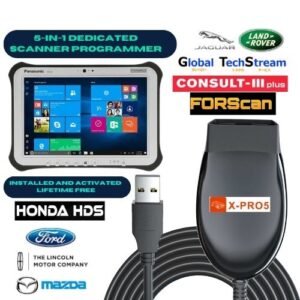
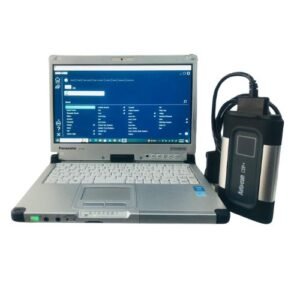
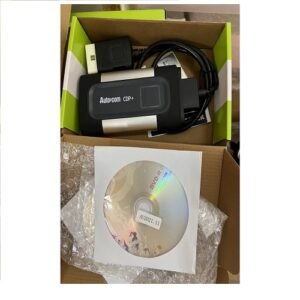
Professional/Advanced Diagnostic Machines: These are high-end systems used by mechanics in professional workshops. They offer comprehensive capabilities including manufacturer-specific codes, the ability to reprogram vehicle control modules, active component testing, and access to technical service bulletins.
Specialized Tools: Other tools in this category include multimeters for testing electrical circuits, battery testers, and pressure gauges for specific systems.
Benefits
The primary benefits of using car diagnostic tools include:
Accuracy: They pinpoint the problem precisely, reducing guesswork and preventing unnecessary repairs.
Efficiency: They speed up the troubleshooting process, leading to faster repair times.
Early Detection: Routine scans can uncover minor issues before they escalate into major, costly problems.
Cost Savings: For car owners, using a basic code reader can help them make informed decisions about repairs and potentially perform minor fixes themselves.